Concussion Assessment & Symptoms
RESEARCH & CLINICAL INSIGHTS:
Concussion Assessment Shouldn't Rely on Symptoms Alone
Self-reported symptoms matter. But they don't always tell the whole story.
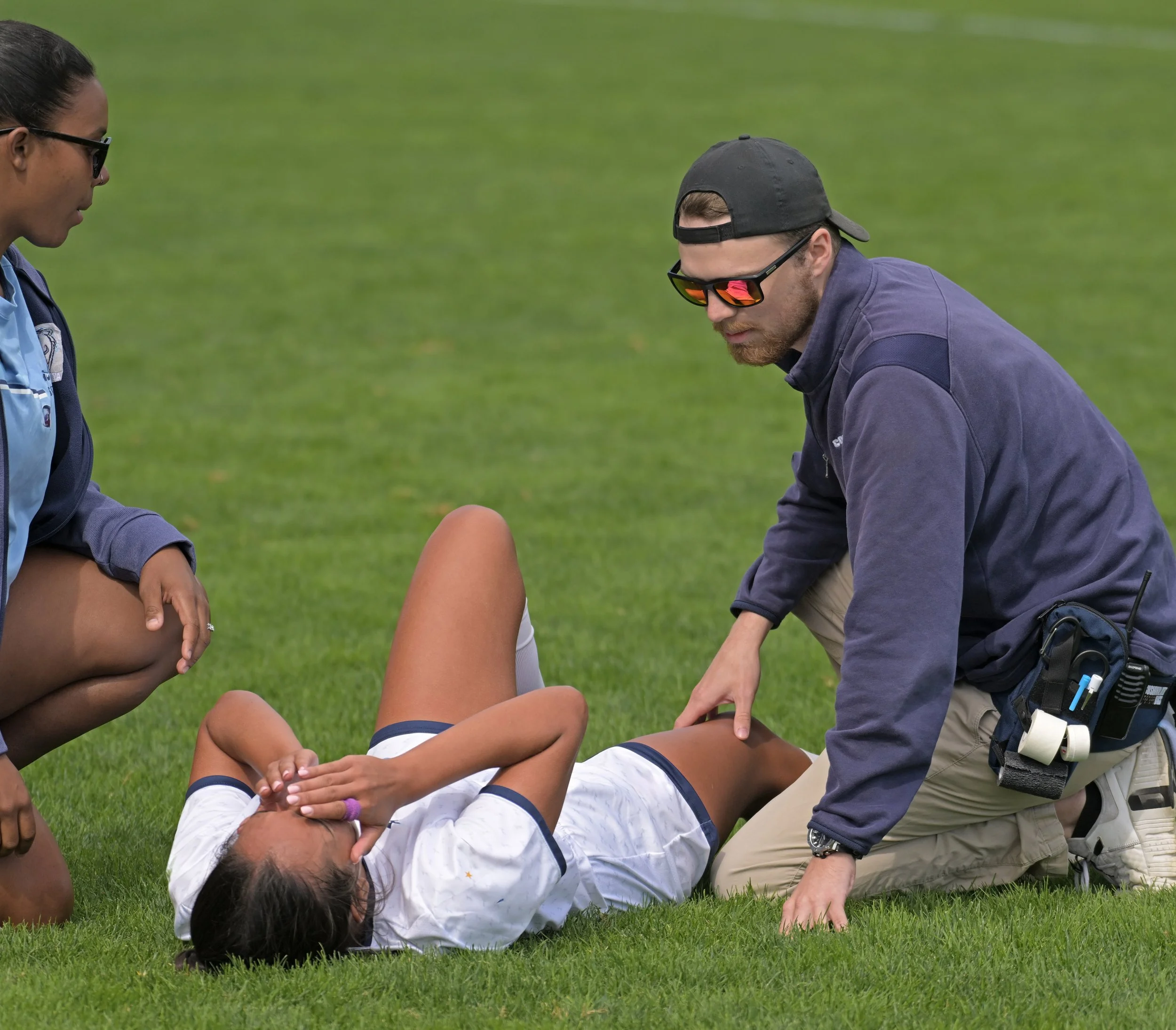
Athletes may minimize symptoms, struggle to describe what they're experiencing, or report symptoms that don't align with other clinical findings.
For Athletic Trainers, that uncertainty can make an already complex concussion assessment even more challenging.
What happens when the symptoms an athlete reports don't match the rest of the clinical picture? Research into concussion reporting highlights just how complicated that question can be—and why ATs may need more than symptoms alone.
See What the Research Shows ↓
What the Research Shows
75% of ATs surveyed expressed concern about athletes
overreporting concussion symptoms.

A study published in the Archives of Clinical Neuropsychology surveyed Athletic Trainers working in secondary schools about their experiences with concussion symptom reporting. Of the 64 Athletic Trainers who responded, 75% reported concerns about athletes overreporting symptoms.
The researchers also found that 67.2% believed some athletes may view a concussion as a way to discontinue participating in their sport. Perhaps most importantly, the authors concluded that concerns surrounding the validity of self-reported symptoms highlight the need for valid and reliable screening measures as part of concussion assessment.
That doesn't mean athletes can't be trusted—or that self-reported symptoms aren't important. It means symptom reporting is complicated, and ATs may need additional information to understand the complete clinical picture.
But Overreporting Is Only Part of the Story
Athletes don't always tell you when they're experiencing symptoms, either.
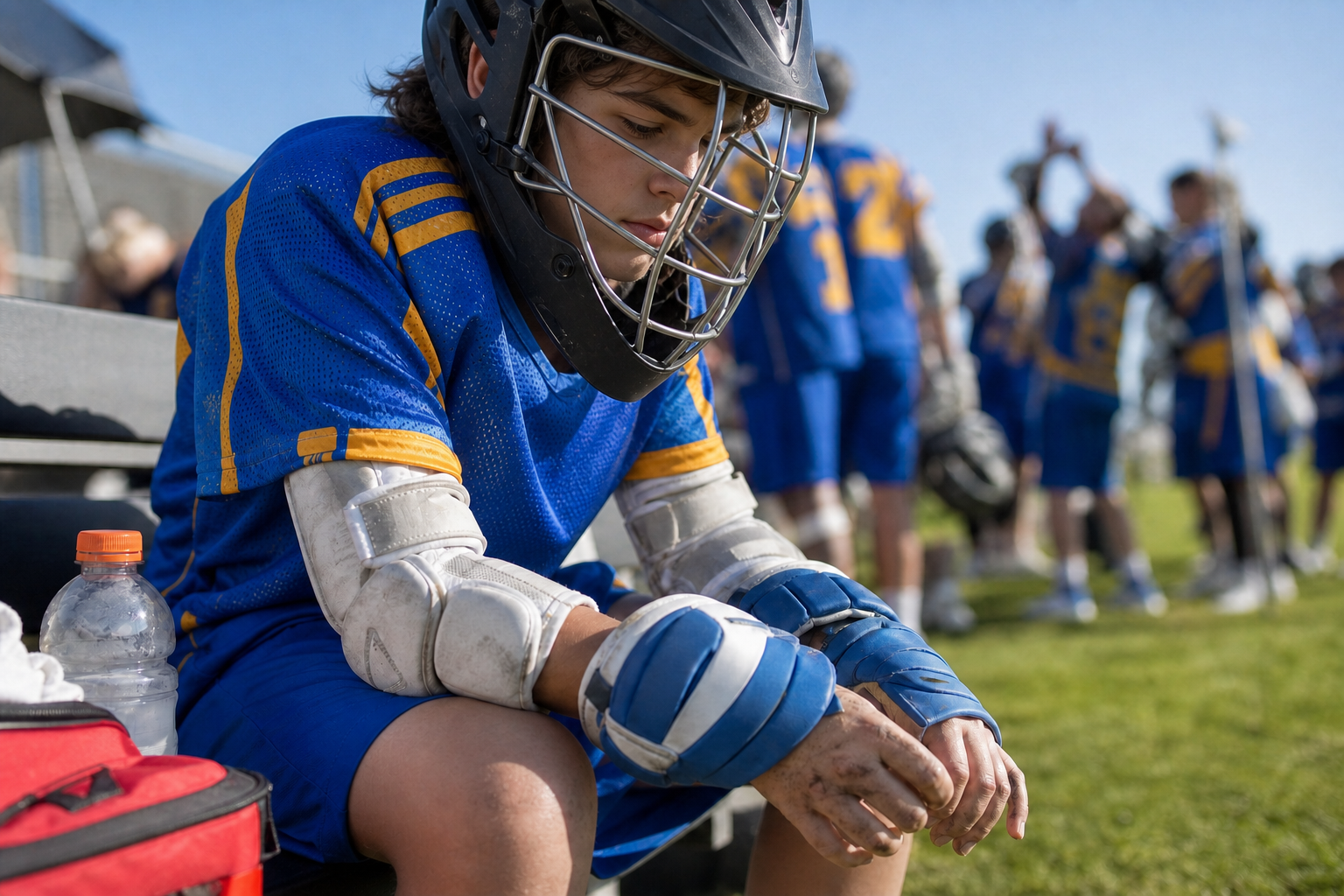
Concussion research has long identified underreporting as a challenge in high school sports. A systematic review of 22 studies noted that only about half of concussed teens report their symptoms, with factors such as attitudes, team culture, concussion education and the sport itself potentially influencing reporting behavior.
Other research has found similar patterns. In one study of high school athletes, approximately 55% did not report a suspected concussion to an authority figure—even though athletes with access to an AT demonstrated greater concussion knowledge.
Why might an athlete stay quiet? Previous studies have identified reasons ranging from not believing an injury was serious enough to not wanting to leave a game or let down teammates and coaches.
The challenge, then, isn't simply whether athletes overreport or underreport symptoms.
It's that self-reported symptoms, while essential, don't always provide the complete picture an AT needs.
Concussion Assessment Is More Than a Symptom Checklist
The clinical picture becomes clearer when multiple measures are considered together.
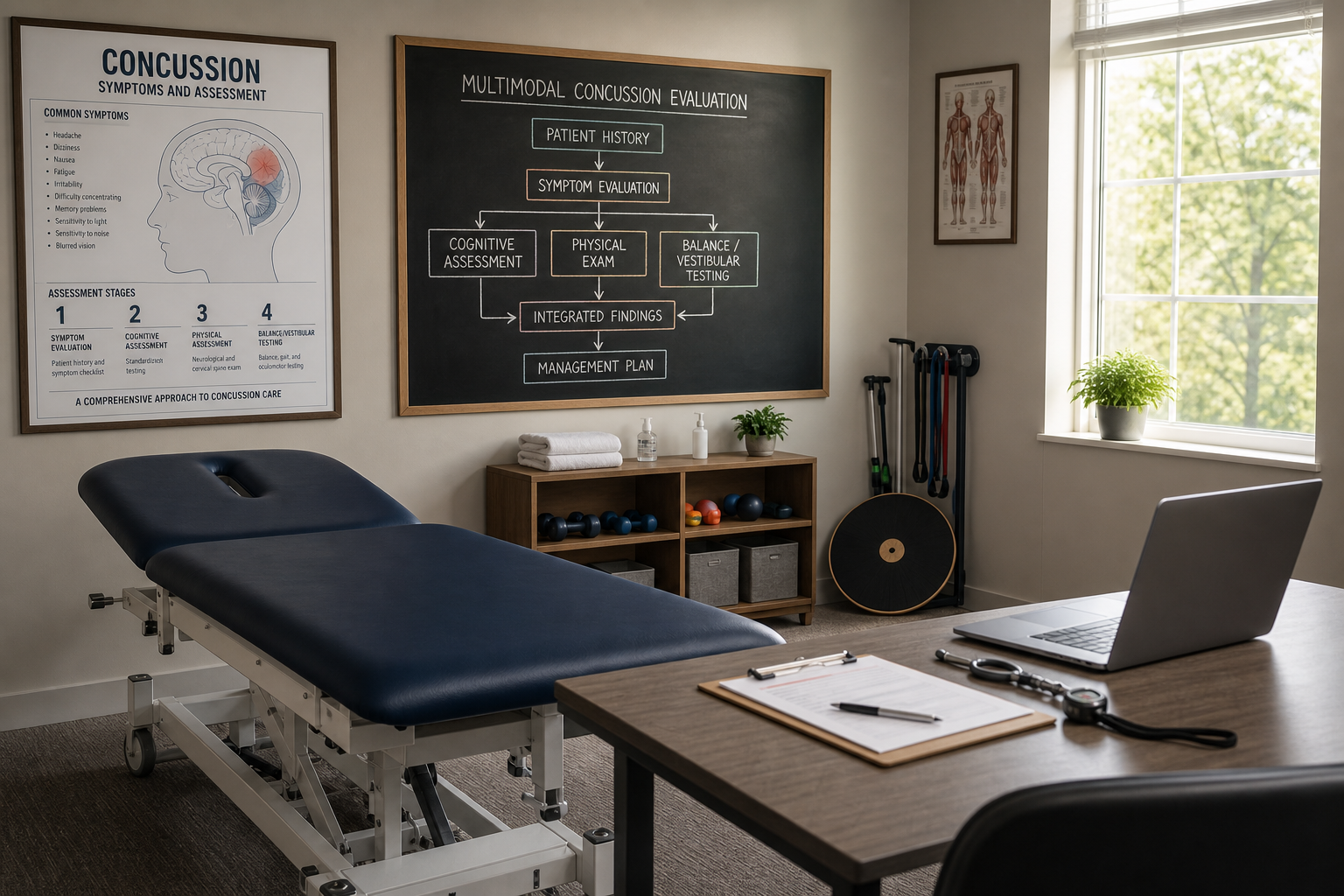
The international consensus on concussion in sport supports a multimodal approach to assessment. Rather than relying on any single symptom, score, or test, clinicians can consider multiple areas of function—including symptoms, cognitive performance, balance, gait, neurological findings and other clinical measures.
For adolescent athletes, recommendations similarly call for assessment across multiple domains, including symptoms, balance and cognitive function, with additional measures incorporated when appropriate.
That distinction matters. Objective testing isn't intended to determine whether an athlete is telling the truth, and no individual test should make a concussion diagnosis on its own.
Instead, each measure provides another piece of information an AT can consider alongside the athlete's symptoms, history, clinical examination and professional judgment.
The goal isn't to replace what the athlete tells you. It's to give you more information to evaluate alongside it.
Adding Objective Data to the Clinical Picture
Balance and cognitive measures can provide information symptoms alone can't.
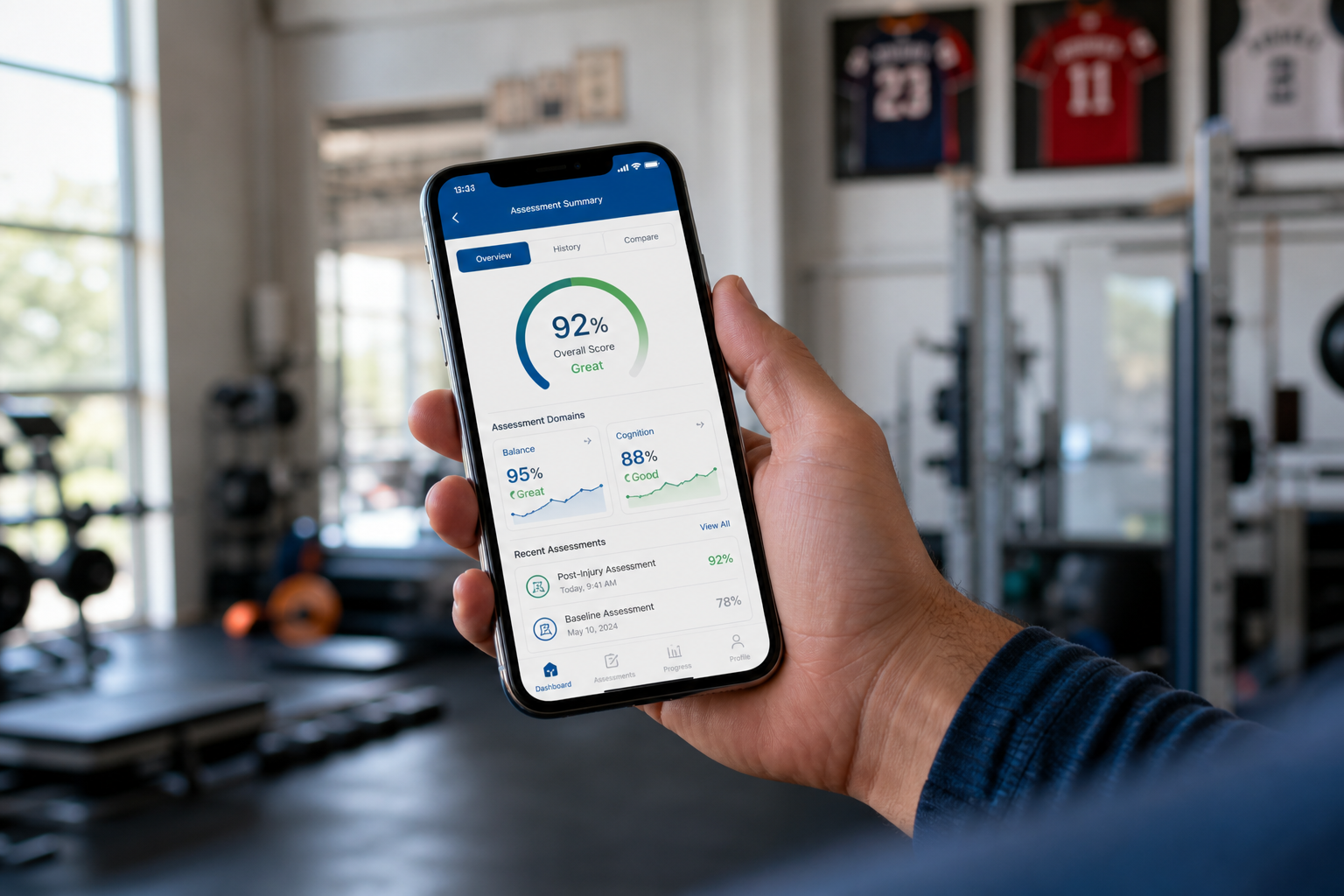
Sway Concussion brings objective balance and cognitive testing together with symptom tracking and other concussion assessment tools in one mobile platform.
That allows you to consider multiple sources of information when evaluating an athlete—rather than relying on a symptom report or any single test alone.
ATs can establish individual baseline measures and compare post-injury results with those baselines, while also following changes in symptoms, balance and cognitive performance throughout recovery.
Sway Concussion is an FDA-cleared Class II medical device that combines balance and cognitive assessment in one mobile tool for concussion management. Like other concussion assessment tools, Sway Concussion isn't intended to make a diagnosis on its own. Instead, it provides objective information clinicians can consider as part of a broader concussion assessment and management process.
Symptoms still matter. Clinical judgment still matters. Sway Concussion simply gives ATs more objective information to consider alongside them.
The Takeaway for Athletic Trainers
More information can lead to a more informed clinical picture.
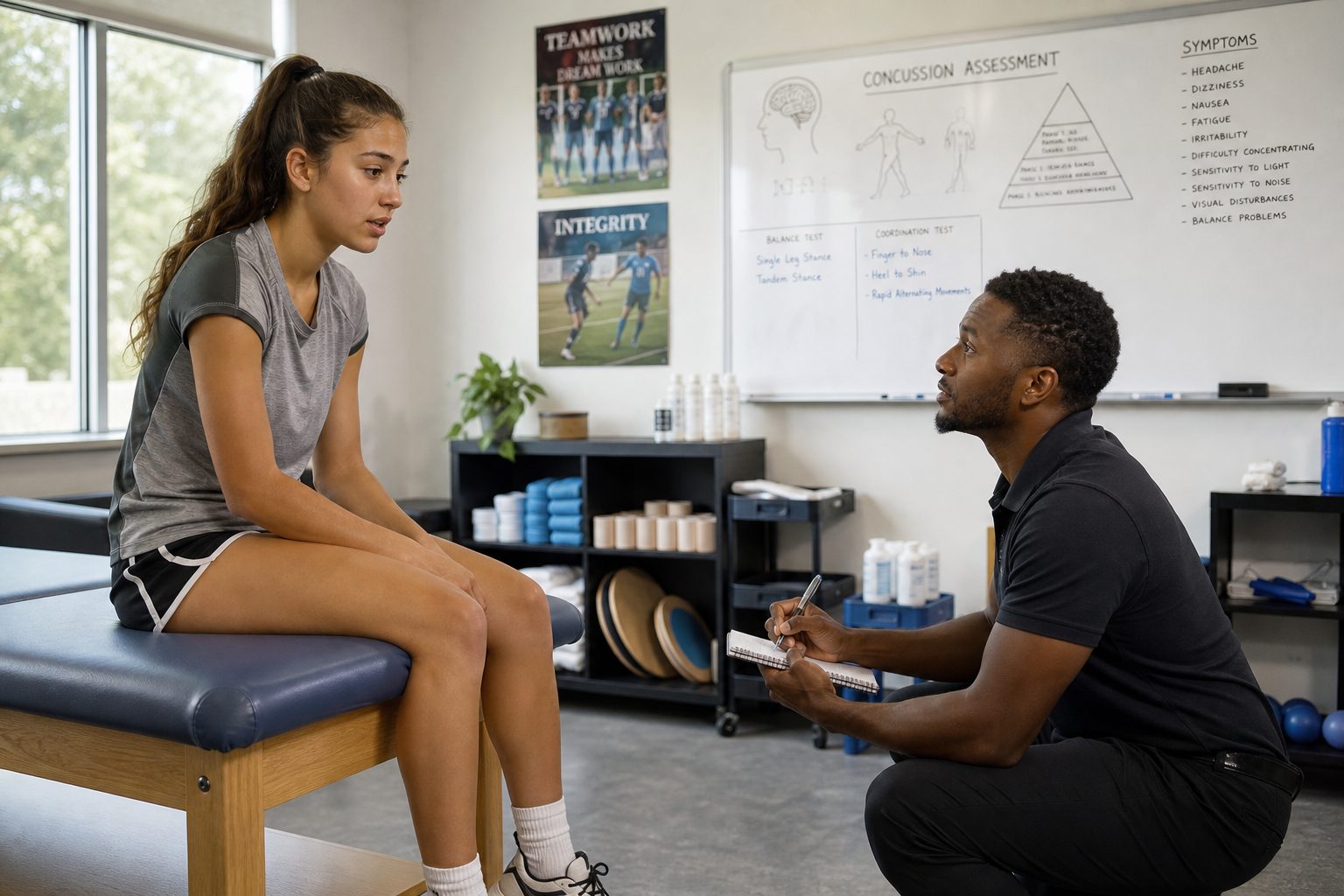
An athlete's symptom report remains an essential part of concussion assessment. But as the research shows, symptom reporting can be complicated:
Whether an athlete minimizes what they're experiencing.
Has difficulty describing it.
Or reports symptoms that don't align with other findings.
That's why concussion assessment is strongest when no single measure is expected to tell the whole story.
Symptoms. Clinical examination. Balance. Cognitive performance. Baseline data. Post-injury changes. Each can provide another piece of information for the AT to consider.
The question isn't whether to trust symptoms or trust objective data. It's how to use both to better understand what's happening with the athlete in front of you.
Frequently Asked Questions
-
No single symptom, test, or assessment should be used in isolation to diagnose or manage a concussion. Current international concussion guidance supports a multimodal clinical assessment that considers symptoms alongside other findings such as cognitive function, balance, gait, neurological findings, and clinical judgment.
-
Symptoms are an essential part of concussion assessment, but they are subjective. Athletes may minimize symptoms, have difficulty recognizing or describing what they're experiencing, or report symptoms that may also occur for reasons unrelated to concussion. That's why symptom reports are most useful when considered as part of a broader clinical assessment.
-
Research suggests that underreporting remains a significant issue in sports. Athletes may choose not to disclose symptoms for a variety of reasons, including a desire to continue playing, concern about letting down teammates, or not recognizing the seriousness of their symptoms.
-
A multimodal assessment looks at several areas of an athlete's function rather than relying on one measure. Depending on the situation, this may include reported symptoms, cognitive function, balance, gait, neurological examination, vestibular and oculomotor function, and other clinical findings.
-
Objective measures can provide clinicians with additional information about areas such as balance and cognitive performance. These results aren't intended to replace symptom reporting or clinical judgment. Instead, they provide additional data that can be considered alongside the rest of the clinical picture.
-
Baseline testing provides pre-injury information about an individual athlete's performance that may be available for comparison following a suspected concussion. Baseline results are one potential source of information within a broader assessment and should not be used by themselves to make diagnostic or return-to-play decisions.
-
No. Sway Concussion provides objective balance and cognitive assessment data that clinicians can use as part of their concussion evaluation and management process. It is not intended to be the sole determinant of a concussion diagnosis. Symptoms, examination findings, clinical history, and professional judgment remain important parts of the assessment.
See How Objective Data Fits Into Concussion Assessment
Experience Sway Concussion for yourself.
See how we bring symptom tracking, balance testing and cognitive assessment together into one mobile platform—giving ATs additional information to consider throughout concussion assessment and management.
See How Sway Concussion Works →

